

Montenegro Digital Nomad Visa: Eligibility, Costs and Application Guide

Last fact-checked: October 10, 2026. This is an editorial explanation of current official Government of Montenegro material, not legal advice. Visa and residence requirements can change, and the responsible diplomatic mission or Ministry of Internal Affairs office makes the decision.
Montenegro has an official route for digital nomads, but the words “visa” and “residence permit” describe different steps. Some nationalities can enter Montenegro without a visa and apply in person for temporary residence. Others may first need a long-stay D visa. The correct path depends on citizenship and current entry rules.
The short answer
Montenegro’s Government defines a digital nomad as a foreigner who works electronically for a foreign company or for their own company that is not registered in Montenegro. The official residence page says an eligible person who has entered legally may apply in person for a temporary residence permit at the Ministry of Internal Affairs office for the place where they live.
The temporary residence permit can be issued for up to two years and extended for up to another two years. A new permit can be issued after a six-month gap. The Government states that a complete residence application should be decided within 40 days.
Visa D versus temporary residence
The Government’s general visa page lists digital nomads as a purpose for a long-stay D visa. A D visa allows a stay of more than 90 days but no more than 180 days in a one-year period. It is an entry and stay document, not the same thing as the longer temporary residence permit.
If your nationality already has visa-free entry, you may not need a D visa merely to reach Montenegro. Check the current nationality table and ask the responsible Montenegrin mission or Ministry office which route applies. Do not copy another applicant’s path without checking your own citizenship and travel document.
Who is eligible?
The core work test is published clearly:
- you are employed by a foreign company and work electronically; or
- you perform electronic work through your own company that is not registered in Montenegro.
This route is designed around foreign economic activity. The official pages do not present it as permission to take a normal job with a Montenegrin employer.
Temporary residence document checklist
The Government’s digital-nomad residence page says the in-person application must include proof that the applicant:
- has sufficient means of support;
- has accommodation;
- has health insurance;
- holds a valid passport or accepted identity card whose validity extends at least three months beyond the approved residence period;
- has not received an unconditional prison sentence of more than six months for an offence prosecuted ex officio in the country of origin, unless the legal consequences have ceased; and
- has a contract or another document showing electronic work for a foreign company or the applicant’s own foreign-registered company.
The application is submitted personally. The official process also includes a photograph, two fingerprints and a digitised signature.
Income requirement
The detailed rulebook states that proof of means is based on the digital nomad’s monthly personal income in the year before application and that it cannot be lower than three Montenegrin minimum wages.
That is a formula, not a timeless euro amount. Montenegro’s minimum-wage rules can change and may involve categories. Because the main government guide does not publish a single current digital-nomad euro threshold, obtain the amount and acceptable calculation directly from the Ministry office handling your application. Do not rely on an old blog’s fixed figure.
Evidence may include payslips, bank statements, a work contract or other documents requested by the office. Ask whether statements need certification, translation or apostille.
Proof of remote work and company registration
For residence, the Government requires an employment contract or other evidence that the applicant performs work electronically for a foreign company or their own foreign company.
For a D visa, the official visa page additionally lists a certified copy of the company’s registration issued by the competent authority in the country where the company is registered. The responsible mission may specify certification and translation standards.
Self-employed applicants should prepare a clear chain of evidence: company registration, ownership or appointment, current contracts, recent invoices and bank records. These examples help explain the activity but do not replace the official checklist.
Application steps
1. Check entry rules for your nationality
Use the Government of Montenegro visa page and the responsible embassy or consulate. Confirm whether you need a visa before travel and whether a D visa is required for your route.
2. Prepare original and certified documents
Collect passport, accommodation, insurance, criminal-record evidence, financial evidence and remote-work documents. Ask which items require originals, certified copies, apostilles or court translations.
3. Enter Montenegro legally
Keep entry evidence and complete any local stay registration required for your accommodation. The residence guide says a foreigner who files a proper temporary-residence application before the end of the permitted 90-day stay may remain until the enforceable decision is issued.
4. Apply in person
Submit the request to the Ministry of Internal Affairs regional unit or branch for the municipality where you live. An officer completes and prints the bilingual form, and biometrics are collected.
5. Keep the filing certificate
The office issues a certificate when the request is submitted. Ask how to prove legal status while the decision is pending and whether travel would affect the process.
6. Track the decision
The Government publishes a 40-day decision period for a proper temporary-residence application. Missing or incorrectly certified documents can extend the practical timeline.
Costs and fees
The official visa page requires proof that the consular fee was paid, but it does not publish one universal digital-nomad fee amount on the checklist. Residence administration, document certification, translation, apostille, criminal-record certificates, insurance and travel to an office can create additional costs.
Budget by obtaining written current amounts from:
- the embassy or consulate handling a D visa, if required;
- the Ministry office receiving the residence application;
- the certified translator and document-certification authority; and
- an insurer for the required coverage period.
This guide deliberately does not repeat an unverified fixed fee from a commercial site.
Processing times
The official residence page states that a temporary residence permit should be issued within 40 days after a proper application is submitted. The general visa page says visa decisions are normally made within 10 days, can extend to 30 days for additional consideration and exceptionally to 60 days when more documents are required.
These are legal or published decision windows, not guarantees of appointment availability. Start document preparation early.
Duration, renewal and the six-month gap
The digital-nomad temporary residence permit can be valid for up to two years. It can be extended for up to another two years. The extension request must be submitted in person no later than 30 days before the existing permit expires.
After the maximum residence ends, the Government says a new digital-nomad permit can be issued following a six-month gap. Ask the Ministry how that rule applies to your exact dates and travel history.
Family reunification
The official guide says close family members can join a digital nomad through family reunification. It lists spouses, minor children born inside or outside marriage, a spouse’s children and adopted children up to age 18.
Family members need their own documents, and accommodation, insurance and means may be assessed. Confirm whether marriage and birth certificates require apostille and translation.
Work limits and tax questions
The published definition centers on electronic work for a foreign company or a foreign-registered company owned by the applicant. It should not be read as automatic permission to work for a Montenegrin employer.
Immigration status and tax residence are separate. The length of stay, treaty position, company structure, source of income and personal circumstances can change tax consequences. Get advice from a qualified Montenegrin tax professional rather than treating the permit as a tax exemption.
Common mistakes
- Treating a D visa and temporary residence permit as the same document.
- Using an old fixed income number instead of the current three-minimum-wage formula.
- Arriving with a passport that expires too soon.
- Assuming a foreign employment contract alone proves company registration.
- Waiting until the final days of legal stay to file.
- Using uncertified or untranslated documents without checking the office’s standard.
- Assuming the permit authorises local employment or removes tax obligations.
Final verdict
Montenegro offers a real, officially documented route for digital nomads. Its strongest features are a residence term of up to two years, a possible two-year extension and a published family-reunification path. The difficult parts are document certification, a variable income threshold and the distinction between entry visa and residence steps.
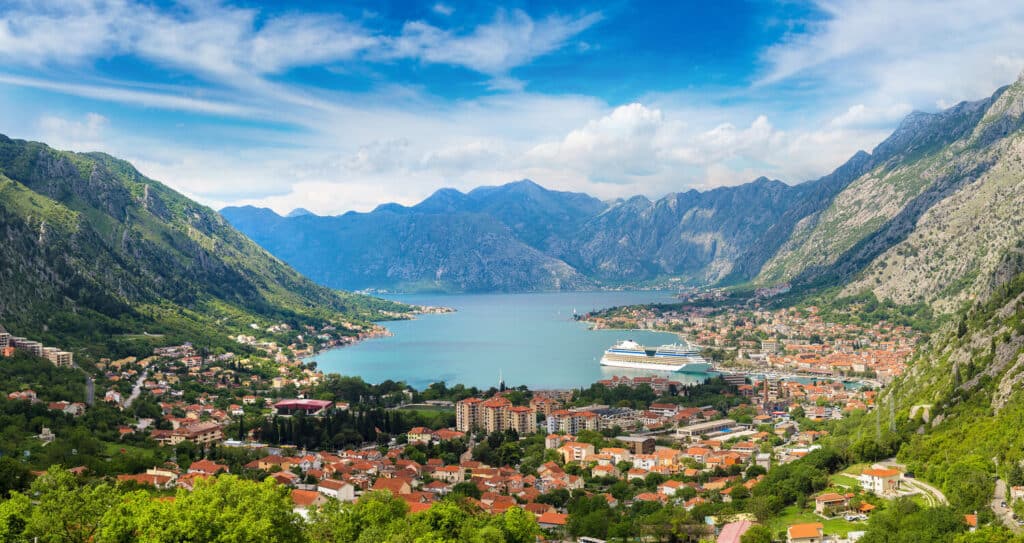
Use the Government’s current checklist, confirm the euro threshold and fees directly, and keep enough legal-stay time to correct a document problem. Compare the route with our digital nomad visa directory and our Kotor digital nomad guide when planning where to live.
Frequently asked questions
Does Montenegro have a digital nomad visa?
Yes. The Government publishes both a D-visa category for digital nomads and a temporary residence permit route. Which steps you need depends on nationality and entry status.
How long is the Montenegro digital nomad permit valid?
Up to two years, with an extension for up to two more years. A new permit may be issued after a six-month gap.
What is the income requirement?
The rulebook uses monthly personal income in the prior year of at least three Montenegrin minimum wages. Confirm the current euro calculation with the Ministry office.
Can family members join?
The official guidance provides family reunification for spouses and specified minor or adopted children, subject to their own documentation.









Responses