

Patagonia Micro Puff vs Nano Puff for One-Bag Travel

Micro Puff vs Nano Puff: which makes sense for one-bag travel?
Specifications and US prices checked November 4, 2026. Our starting recommendation is to compare the Nano Puff first if purchase price matters most, and the Micro Puff if reducing packed weight is a priority. Then try the exact garment with your normal layers. Fit and the rest of your clothing system can matter more than a small difference on a specification sheet.
This comparison uses the current men’s hooded models: Micro Puff Hoody 84031 and Nano Puff Hoody 84223. It does not mix jacket-only, women’s, vest, Hi-Loft or older-season specifications. We have not worn, weighed, soaked, packed or abrasion-tested either garment. Recommendations are editorial interpretation of the manufacturer’s published information.
Current models compared
| Specification | Micro Puff Hoody 84031 | Nano Puff Hoody 84223 |
|---|---|---|
| US listed price | $345 | $299 |
| Published garment weight | 298 g / 10.5 oz | 400 g / 14.1 oz |
| Insulation | 65-g PlumaFill recycled polyester | 60-g PrimaLoft Gold Insulation Eco recycled polyester |
| Shell | 10-denier recycled nylon Pertex Quantum | Recycled polyester ripstop |
| Manufacturer fit label | Regular | Regular |
| Storage pocket | Left hand pocket doubles as stuffsack | Internal zippered chest pocket doubles as stuffsack |
| Other pocket layout | Two zippered hand pockets, two internal drop-in pockets | Two zippered hand pockets |
Sources: Patagonia Micro Puff Hoody and Patagonia Nano Puff Hoody. Prices are the US product-page snapshots for the displayed versions, before tax and shipping. Size, color, stock, promotions and other markets can change the final price. Published weights are manufacturer figures, not our measurements.
Weight and price: what the difference buys
Using the listed figures, the Micro Puff is 102 g lighter and costs $46 more. The weight reduction is approximately 25.5% relative to the listed Nano Puff weight. These are calculations from the table, not evidence that every size differs by exactly that amount.
For a strict carry-on limit, 102 g is worth considering alongside the laptop, charger and shoes you already carry. For a traveler comfortably below the airline limit, paying extra solely for that reduction may be less useful than choosing the garment with the better fit.
Make the comparison using your full bag, not a jacket in isolation. Weigh the packed bag, check the carrier’s current allowance and decide how much spare capacity you need. A purchase intended to solve a weight problem should address the actual excess rather than an imagined one.
Warmth, insulation and temperature ratings
Both use synthetic insulation, but the material names and fill weights are not interchangeable measures of warmth. A 65-g specification does not prove a jacket is proportionately warmer than one labeled 60-g. Construction, fit, layers, wind and your activity all affect comfort.
Patagonia describes the Micro Puff as especially compressible and emphasizes warmth for its weight. That is a manufacturer claim, not a result from our own comparison. We do not award either jacket a measured warmth or breathability score.
The product specifications used here do not establish a universal comfort temperature rating. Treat any precise temperature claim you encounter as incomplete unless it explains activity, layers, wind and the person involved. Standing still at a bus stop is a different use from climbing a steep trail with a backpack.
Packability and pocket layout
The table identifies each model’s integrated storage pocket. Neither source provides a standardized packed-volume figure suitable for a like-for-like comparison, so this guide does not invent dimensions or liters.
Try packing the jacket into the space it would occupy in your own bag. Check whether you can retrieve it without unpacking your work equipment and whether it fits with the rest of your cold-weather kit. A very small packed item is not useful if extracting it is inconvenient every day.
Pocket organization is personal. Think about where you carry a phone, passport and gloves, and whether those pockets remain accessible under your bag straps. Avoid treating an unsecured internal pocket as a replacement for a suitable valuables system.
Rain, wind and your layering system
Both product pages describe water-repellent treatments; that does not establish waterproof protection for prolonged rain. Do not plan a wet-weather trip around an insulated jacket alone. Consider whether you need a separate rain shell that fits comfortably over your insulation.
In a fitting room, wear your likely base layer and fleece, then add the shell and a loaded backpack. Reach forward as if using a laptop, lift your arms and check the hem, shoulders and cuffs. You should be able to move without compressing layers uncomfortably.
For high-output activities, consider how you will manage heat and moisture. This comparison does not claim that either static insulation option is the ideal layer for every climb, run or cycling commute. A removable layer can be easier to manage than trying to make one garment serve every stage of the day.
Fit, durability and model-year differences
Both current pages use a regular-fit label, but that is not a promise of identical sizing. Check the size chart and try the actual version. Do not transfer a fit conclusion from a discontinued model or a different gender-specific cut without checking.
We have not performed a durability test and cannot rank long-term abrasion resistance from product descriptions alone. Consider your use: rubbing against a daily backpack, occasional hiking and wearing the jacket under a shell place different demands on the fabric.
When buying a discounted previous-season garment, compare the style number, condition, seller, return rules and specifications. A lower price can be attractive, but it is not necessarily the exact model described in this table. Save the listing and receipt so the purchase details remain clear.
Care, repairs and buying while traveling
Read the care label on your garment before washing. The current product pages list machine washing and low-temperature tumble drying, but their ironing instructions differ. Do not assume one generic care routine applies to both models or to a different season’s version.
Patagonia links to its Ironclad Guarantee from both product pages. The detailed help page returned an error during our check, so we have not quoted a repair fee, refund deadline or guarantee of free replacement. Verify the applicable terms directly before buying, especially if you will leave the purchase country soon.
A practical pre-purchase checklist:
- Confirm the exact style, size, color and final checkout price.
- Check the seller’s return address, deadline and postage responsibility.
- Try the jacket with your usual layers before removing tags.
- Keep receipts and care instructions accessible while traveling.
- Check repair options in the countries on your route.
Which would we choose for different trips?
For an everyday city-based work month
Start by trying the Nano Puff if the listed lower price matters and you are not fighting a strict bag-weight limit. Spend the fitting time checking sitting comfort, sleeves and how it works with the clothes you already use. This is a buying approach, not a claim that it outperforms the Micro Puff in a field test.
For a weight-conscious mixed trip
Shortlist the Micro Puff if the published weight reduction is useful enough to justify the premium. Verify that you still like the fit, pocket layout and layering system. Do not buy it solely because “lighter” sounds better if those practical details are wrong for your routine.
For severe cold or sustained wet weather
Assess the complete clothing system and conditions rather than choosing between these two from a headline. A specialist trip may require different insulation, a weatherproof shell and appropriate advice. Neither this comparison nor a product name establishes protection for extreme conditions.
Frequently asked questions
Is the Micro Puff warmer than the Nano Puff?
This research does not establish a measured warmth winner. The published material specifications and marketing claims do not replace a controlled comparison under defined conditions.
Is the Micro Puff worth the extra money?
It may be if the listed 102 g reduction solves a real packing need and the fit suits you. Compare the final prices available in your size before deciding; a color-specific promotion can change the tradeoff.
Can either replace a rain jacket?
Do not treat water repellency as a waterproof-shell specification. Plan rain protection separately when the trip requires it.
Research method and sources
We checked Patagonia’s US product pages for styles 84031 and 84223 on November 4, 2026, compared the same men’s hooded category and calculated the listed price and weight differences. We did not use customer anecdotes as our own experience or invent packed measurements, temperature ratings or test results. The linked guarantee page could not be fully verified, so detailed policy claims are omitted.
For broader wardrobe planning, see our guide to buying clothes as a digital nomad.
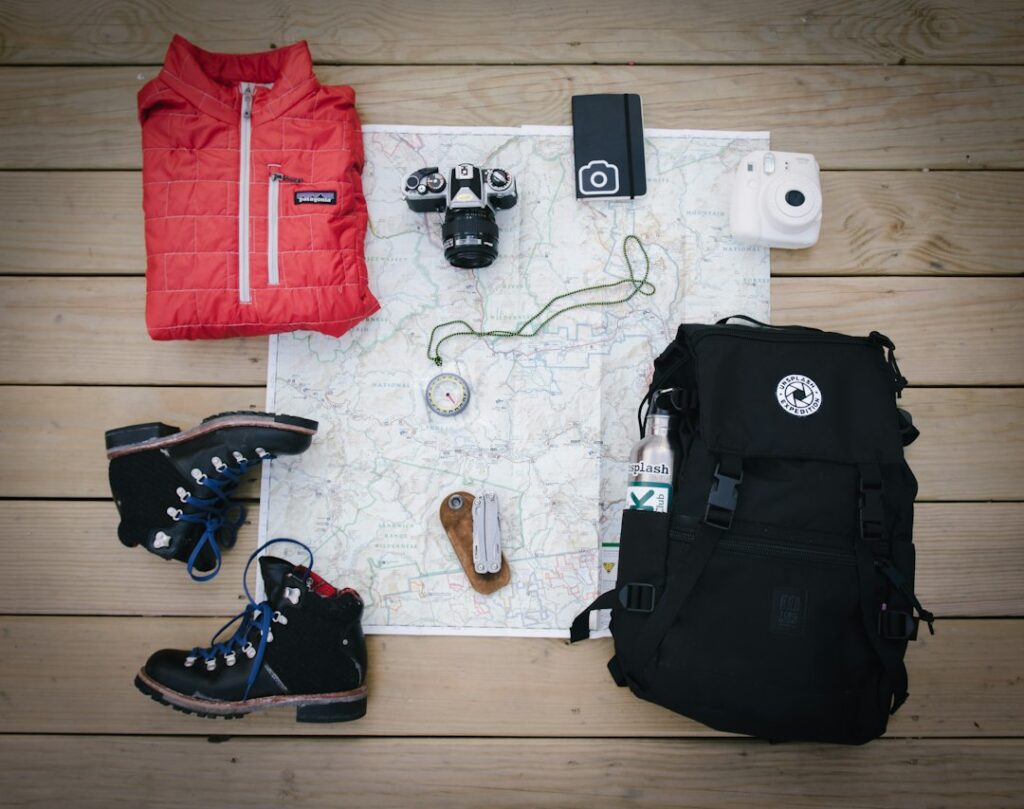
Cover photo: Alice Donovan Rouse on Unsplash. The cover is illustrative travel gear, not a photograph of the two Patagonia models.






Responses