

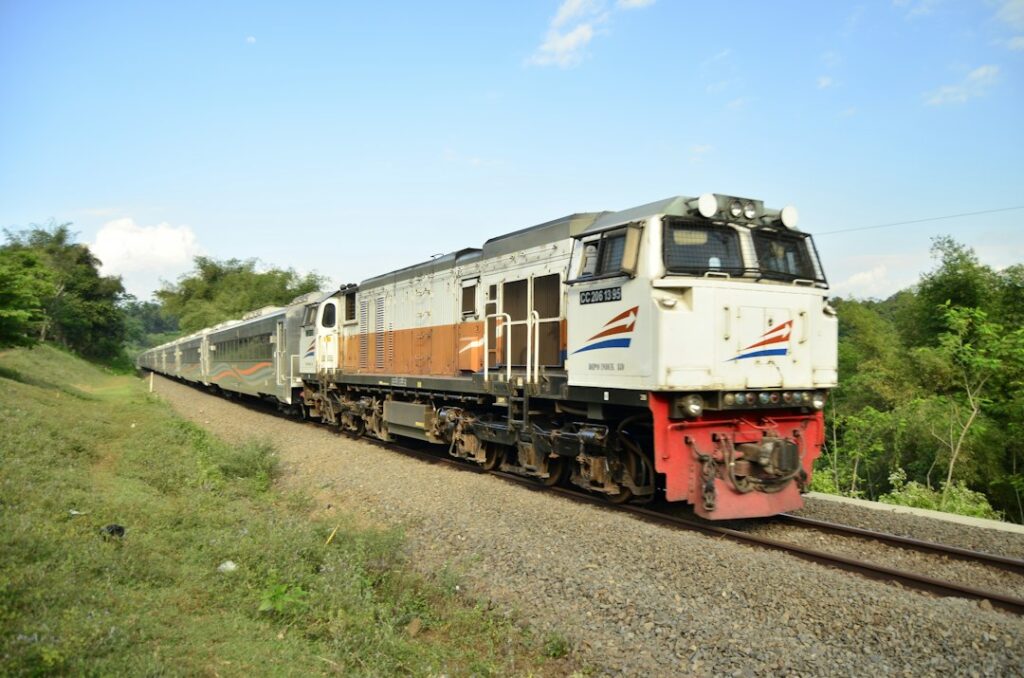
Bangkok to Chiang Mai by Train: Sleeper Classes, Costs and Booking

Last fact-checked: September 18, 2026. Timetables, rolling stock, availability and fares can change. Check your exact travel date in the State Railway of Thailand (SRT) D-Ticket system before making onward plans.
Quick answer
The train is the most spacious overland option between Bangkok and Chiang Mai, and an overnight sleeper can replace one hotel night. It is not the fastest route, and it is a poor place to schedule a video call: mobile coverage varies, onboard Wi-Fi should not be assumed, and delays can affect arrival.
Use the official SRT D-Ticket site to compare the actual trains, classes and final fare for your date. SRT’s published booking terms allow eligible express, special-express, rapid and tourist trains to be reserved from three hours before departure up to 180 days ahead. Local and ordinary trains may not be available online.
Where the Bangkok train departs
Most long-distance northern services use Krung Thep Aphiwat Central Terminal rather than the old Hua Lamphong terminus. Your ticket is the authority: confirm the station name, train number and departure time on the final booking.
Allow extra time because the terminal is large. Arrive early enough to find the platform, buy food and water, and resolve any ticket issue. Do not ask a driver simply for “Bangkok station”; show the precise station name.
For accommodation and local transport before departure, see our Bangkok digital nomad guide.
Day train or overnight sleeper?
Overnight sleeper
Choose a sleeper if you want to save daytime hours and avoid paying for a room that night. It works best when you can sleep with corridor noise and movement and do not need a guaranteed early-morning arrival.
Daytime seat
A daytime train makes the scenery part of the trip and avoids sleeping in a shared carriage. The trade-off is losing most of a working or sightseeing day. It can be useful when sleepers are sold out or when you want the cheapest available seated class.
Flight or bus instead
Fly when time certainty matters most. Consider the bus only after comparing terminal locations, seat type, luggage and safety. The train’s advantage is space and the ability to lie down in sleeper class, not speed.
Understanding the classes
SRT inventory varies by train. The booking result for your date may offer some, not all, of these categories.
| Class | Layout | Best for | Main limitation |
|---|---|---|---|
| First-class sleeper | Private compartment, usually sold by berth | Couples, privacy, lighter sleepers | Limited inventory and higher total cost |
| Second-class air-conditioned sleeper | Berths along a shared carriage with curtains | Best balance for many travelers | Shared space; upper and lower berths differ |
| Second-class seat | Reclining or fixed seat depending on train | Day travel or sold-out sleepers | Not a bed; long overnight trip |
| Third class | Basic seating where offered | Lowest-cost flexible travel | Least comfortable for a long overnight route |
Do not rely on a photo from another train. Coach age, berth configuration, power outlets, washrooms and meal service can differ. Use the class and coach information shown for the specific service.
Lower versus upper berth
Lower berths are normally easier to access and often feel roomier. Upper berths require climbing and may have less headroom. If berth position matters, confirm the seat map before payment; do not assume the system will place two travelers together.
First class is priced per berth, not automatically per compartment
If you want a private compartment to yourself, verify whether both berths must be purchased and whether the booking system permits single occupancy. Never infer privacy from the words “first class” alone.
What does the train cost?
SRT displays the current fare after you enter the origin, destination, date and passenger count. We do not reproduce a fixed price table because the route can include different train categories, coach types, berths and availability, and a static figure can become misleading.
Your real trip cost is:
ticket fare + transport to the Bangkok terminal + food/drinks + transport from Chiang Mai station + any change/cancellation cost
When comparing with a flight, add airport transport, checked baggage and the hotel night that a sleeper may replace. When comparing with a bus, match like for like: a private sleeper compartment is not equivalent to a standard bus seat.
The official D-Ticket terms state that online booking requires full payment. They also describe current change and refund rules. As of the fact-check date, SRT stated that refunds requested at least three hours before departure return 70% of the fare, subject to the published conditions and payment method. Change fees were listed as 20%, 30% or 50% depending on how many days before departure the change is made. Read the current terms at checkout because rules can change.
How to book on the official SRT site
- Open the SRT D-Ticket portal.
- Change the interface language if needed.
- Enter the exact Bangkok departure station shown for long-distance northern services and Chiang Mai as the destination.
- Select the travel date and passenger count.
- Compare departure/arrival times, train category and class inventory.
- Open the coach or seat map and select the correct berth.
- Enter each traveler’s real name and passport or ID details exactly as required.
- Review station, date, train number, class, berth and final fare before payment.
- Save the ticket offline and follow SRT’s current instruction on whether a printed copy is required.
SRT says passenger details must match the actual traveler and that names cannot be changed merely by editing the ticket. Treat the reservation as traveler-specific.
When to book
Eligible long-distance trains can appear up to 180 days ahead under the current D-Ticket terms. Availability is not a promise that every train opens at exactly the same time or that all coach types operate daily.
Book earlier for Thai public holidays, weekends, year-end travel and popular festival periods. If your preferred sleeper is unavailable:
- check another departure on the same date;
- compare an air-conditioned seat on a day train;
- search the preceding or following date if flexible; and
- compare a flight before accepting an unsuitable overnight seat.
Do not pay an unverified reseller before checking SRT’s own inventory and total.
Luggage and onboard work
SRT’s public booking page does not provide a simple universal baggage allowance for every coach in the search results. Confirm unusually large luggage, bicycles, surfboards or valuable equipment with SRT’s hotline (1690 in Thailand) or station staff before travel.
Keep passport, laptop, medication and valuables with you. A cable lock can discourage opportunistic handling, but it does not turn a berth into secure storage.
For remote work, plan the journey as offline time:
- download documents, entertainment and maps before boarding;
- carry a charged power bank;
- do not schedule client calls or deadlines around mobile data;
- save the hotel address and ticket offline; and
- allow arrival buffer before a meeting.
Mobile reception can be intermittent and the coach type may not have convenient outlets. Even if a hotspot works for part of the route, it is not a dependable office.
Food, temperature and sleeping setup
Food availability differs by train and date, so bring water and enough food for the journey. Pack a light layer: air-conditioned sleepers can feel cool, while stations and non-air-conditioned areas can be warm.
Useful items include an eye mask, earplugs, hand sanitizer, tissues, a small wash kit and slip-on footwear. Keep the bag compact enough to fit without blocking the aisle.
Arrival in Chiang Mai
Chiang Mai Railway Station is east of the old city. Decide on your arrival transfer before boarding, but book flexibly because a delayed train can make a fixed pickup awkward. Use an official taxi queue, a ride-hailing app where available, or accommodation pickup.
Do not schedule a flight, long-distance bus or paid tour immediately after the published arrival time. A buffer is especially important if the connection is on a separate ticket.
For neighborhoods, coworking and a longer stay, see our Chiang Mai coworking guide.
Practical decision guide
Choose first-class sleeper when privacy matters and the live fare still compares well with a flight plus hotel.
Choose second-class air-conditioned sleeper for the usual balance of cost and sleep.
Choose a day seat when you want scenery, sleepers are sold out or budget matters more than time.
Choose a flight when arrival reliability and saved hours outweigh airport and baggage costs.
Frequently asked questions
How long is the Bangkok–Chiang Mai train?
The answer depends on the specific service and date. Use SRT’s live timetable for the scheduled duration, then add time for terminal arrival and transfer at both ends.
Can I book 180 days ahead?
The D-Ticket terms say eligible long-distance categories can be booked up to 180 days ahead and no later than three hours before departure. Some trains are excluded from online booking, and inventory can open differently.
Is Wi-Fi available?
Do not plan around onboard Wi-Fi. Prepare for offline work and intermittent mobile coverage.
Are sleepers safe for solo travelers?
Shared sleepers are commonly used by solo travelers, but normal precautions still apply: keep valuables close, use the curtain, and ask staff for help if something feels wrong.
Which station should I choose in Bangkok?
Confirm the exact station on SRT’s live result and ticket. Most long-distance northern services use Krung Thep Aphiwat Central Terminal, but the ticket—not a blog—is authoritative.













Responses