

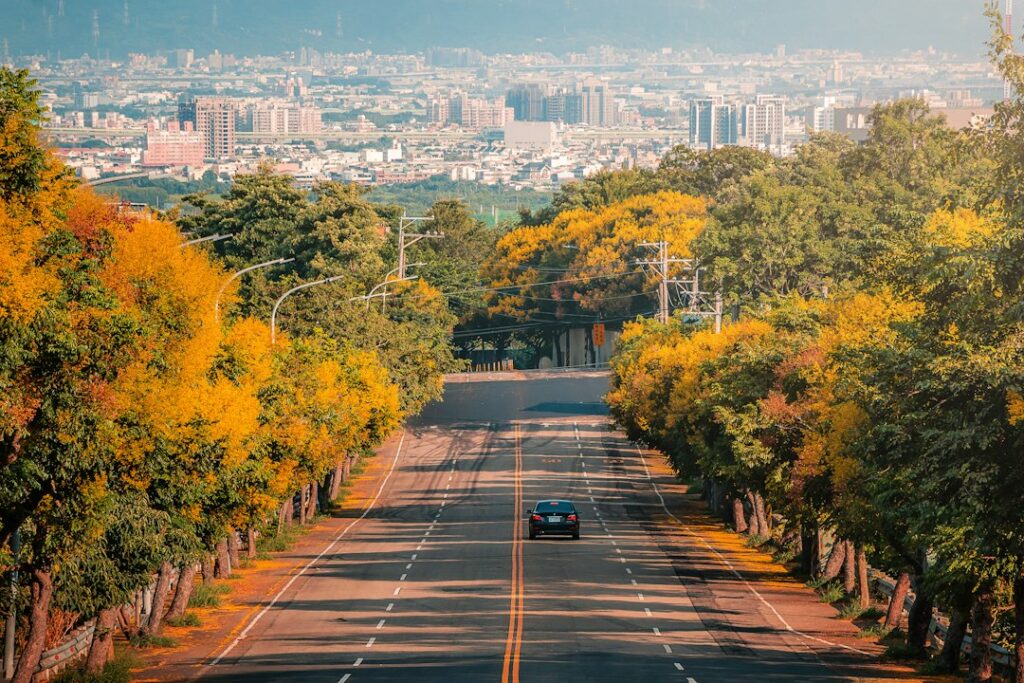
Taichung, Taiwan: Digital Nomad Guide

Taichung is a strong middle-ground base for remote workers who want Taiwan’s rail network, food culture and healthcare access without choosing the capital. It is a large city, not a compact resort town: the right neighborhood matters, last-mile transport often combines rail, bus, YouBike and walking, and realistic monthly housing is usually found through local listings or serviced-apartment operators rather than nightly platforms.
This guide uses current official transport and immigration sources plus a clearly labeled planning budget checked on 17 October 2026. It does not claim a universal cost-of-living average or firsthand testing of every workspace.
Why Taichung works for digital nomads
Taichung offers a calmer pace than Taipei, a sizable cafe and coworking market, high-speed rail access to the rest of the west coast and easy weekend routes into central Taiwan. The trade-off is urban spread. A cheap room far from your daily destinations can cost more in time than a smaller apartment near a useful bus corridor or rail station.
For many remote workers, the most practical formula is a walkable base in West District, North District, Xitun or near a rail/MRT stop, plus YouBike for short hops. People who need frequent high-speed rail trips should remember that Taichung HSR Station is southwest of the central districts, connected to the MRT and local rail but not located downtown.
Quick facts
| Item | Planning note |
|---|---|
| Best for | A major Taiwanese city with lower-key daily life and strong domestic connections |
| Main transport | Buses, Taichung MRT, Taiwan Railway, HSR, YouBike and taxis |
| Typical work setup | Home internet plus coworking or cafe backup |
| Planning budget | NT$52,900 for one adult for one month, excluding flights and visa costs |
| Time zone | UTC+8 |
| Remote-work status | Taiwan has an official digital nomad visitor-visa route; eligibility and stay rules must be checked on official pages |
Best neighborhoods for remote workers
West District
West District is the easiest recommendation for a first stay. It has cafes, restaurants, cultural venues and access to the Calligraphy Greenway area. It can be more expensive than outer neighborhoods, but being able to walk to food and work spots reduces daily friction.
Xitun and the 7th Redevelopment Zone
Xitun has newer buildings, commercial centers and proximity to the MRT Green Line. It suits people who prefer modern apartments and office-style coworking. Check the exact walking route: broad roads and large blocks can make a short map distance less pleasant on foot.
North District
North District mixes universities, markets and generally more modest housing options. It can work well for budget-conscious nomads who still want a lively urban area. Bus access is more important here, so test the route to any regular meeting or coworking space.
Central and East districts
The area around Taichung Station provides conventional rail access and older urban fabric. Some blocks are being renewed while others feel quieter at night. Inspect the building, street and soundproofing in person before committing.
Nantun
Nantun offers residential developments and access to parts of the MRT corridor. It is useful for travelers who value a quieter apartment over dense nightlife, but neighborhood convenience varies sharply by block.
Finding monthly accommodation
Start by defining the lease length, furnishing level and registration requirements. Taiwan’s long-term rental market often assumes longer contracts, local-language communication and separate charges for electricity, management or internet. Shorter furnished rentals carry a premium.
Use local listing platforms such as 591 to understand asking prices, then compare with reputable serviced-apartment or monthly-rental operators. A planning allowance of NT$22,000 can cover a modest furnished studio or room in many scenarios, but it is not a promise: newer central apartments and flexible one-month stays can be substantially higher.
Before paying a deposit, verify:
- The exact unit and landlord or authorized agent.
- Minimum lease, deposit, cancellation and early-exit terms.
- Whether electricity uses the utility tariff or a landlord-set per-unit rate.
- Water, gas, management, cleaning and internet charges.
- Router location and a recent wired or Wi-Fi speed test from the unit.
- Noise from roads, construction, temples, schools or neighboring businesses.
- Waste collection arrangements and building access hours.
Avoid sending money solely on the basis of chat messages, copied photos or a rushed “reservation” request.
Coworking and remote-work setup
Taichung has branded offices, independent coworking spaces, university-adjacent workrooms and cafes suitable for occasional laptop sessions. Current directory listings show that monthly hot-desk pricing varies widely, while private offices are usually quote-based. Our budget uses NT$4,500 for a mix of coworking and cafes rather than claiming a citywide average.
When comparing spaces, ask about 24/7 access, call rooms, monitor availability, guest policy, air-conditioning hours, address use, day passes and whether quoted prices include tax. A polished lobby is less important than reliable connectivity and a place to take calls without disturbing others.
Keep a backup. A local data plan or hotspot can bridge short outages, but check fair-use terms before treating mobile data as a full-time replacement for home internet.
Internet and mobile connectivity
Taiwan’s fixed and mobile networks are generally strong, but the experience depends on the building, plan and indoor reception. Request evidence from the exact apartment rather than relying on a city-level speed ranking. Fiber availability, shared building connections and older internal wiring can make neighboring units perform differently.
For mobile service, compare current prepaid and postpaid offers from major Taiwanese carriers after arrival. Passport registration is normally required. Airport plans are convenient, but a city store may offer more choices for a longer stay.
Getting around Taichung
MRT
The Taichung MRT Green Line links Beitun, central corridors and the HSR area. Consult the official Taichung MRT site for maps, fares, first and last trains and service notices.
Buses
Buses cover far more of the city than the single MRT line, but journey time can change with traffic. Use a live journey planner, allow extra time for transfers and confirm which side of a broad road serves your direction.
YouBike
The official YouBike service is useful for last-mile trips. Registration, payment methods, station availability and insurance rules can change, so check the current Taichung instructions before relying on it. Heat, rain and large intersections are practical constraints.
Rail and HSR
Taiwan Railway serves stations including central Taichung, while Taiwan High Speed Rail uses Taichung HSR Station. They are different systems and locations. For an early train, calculate the full door-to-platform journey rather than searching only “Taichung station.”
Scooters and taxis
Scooters increase flexibility but bring licensing, insurance, parking and road-safety responsibilities. Do not assume a foreign license is sufficient. Taxis and ride-hailing are useful for late or cross-city trips, especially when carrying luggage.
Taichung monthly budget for one remote worker
This is an illustrative one-person budget for a furnished studio or room, moderate local eating, public transport and a mixed home/coworking routine. It is not a market average. It excludes flights, visa costs, deposits, major medical care, tax, equipment and frequent intercity travel.
| Category | Monthly allowance |
|---|---|
| Accommodation | NT$22,000 |
| Utilities and home internet | NT$2,500 |
| Food and groceries | NT$12,000 |
| Local transport | NT$1,200 |
| Coworking and cafes | NT$4,500 |
| Phone and data | NT$700 |
| Insurance | NT$4,500 |
| Health and fitness | NT$1,500 |
| Leisure and day trips | NT$4,000 |
| Total | NT$52,900 |
Flexible one-month apartments, frequent Western meals, private offices, taxis and weekend HSR trips can push the total higher. A longer lease, local meals and home working can reduce it, but deposits and setup costs make the first month unusually expensive.
Weather and air quality
Taichung has hot, humid summers, milder winters and seasonal heavy rain. Typhoons can disrupt transport and business hours. Use Taiwan’s official Central Weather Administration for forecasts and warnings rather than a generic widget.
Air quality varies by season and day. If you are sensitive, check official monitoring, choose housing away from major roads and confirm that air-conditioning and ventilation are maintained. A portable purifier can help indoors, but it does not replace addressing moisture or mold.
Visas and legal stay
Taiwan operates an official digital nomad visitor-visa route. The Bureau of Consular Affairs publishes current application information, while the National Development Council’s Nomad Taiwan portal explains the program. Current official materials describe remote work performed digitally without providing labor services to Taiwanese entities, and they describe six-month increments with a possible total stay of up to two years under the updated framework.
Eligibility, income evidence, application location and dependent rules change. Confirm them directly before planning a move, especially if you are already in Taiwan or if your work touches a Taiwanese client or employer. This city guide does not replace immigration, tax or employment advice.
Healthcare, money and daily administration
Taiwan has extensive medical infrastructure, but a visitor’s access, price and reimbursement depend on immigration status and insurance. Keep suitable coverage and know where to find an English-capable clinic before you need one.
Cards are common in larger businesses, while cash remains useful at markets and smaller restaurants. International card fees and ATM limits vary. Keep more than one payment method and do not rely on a single foreign bank app for rent or deposits.
Weekend access from Taichung
The city is a practical base for central Taiwan. Popular trips include Sun Moon Lake, Lukang, Changhua, Miaoli and mountain areas, but public-transport frequency can be limited outside the urban core. Check the last return service and weather before setting out; mountain conditions can change quickly.
HSR makes Taipei and southern cities accessible, while conventional rail serves intermediate towns. If frequent domestic travel is central to your plan, proximity to a useful station may justify a higher rent.
A practical first-week plan
- Stay in a flexible hotel or serviced apartment while viewing longer rentals.
- Buy or activate a mobile plan and test reception in candidate buildings.
- Try the real commute at the time you expect to travel.
- Visit coworking options and test a call room, not just Wi-Fi in the lobby.
- Register for the transport services you will actually use.
- Save official weather, transport and immigration pages.
- Sign only after reading utilities, deposit and early-exit terms.
Taichung or Taipei?
Choose Taichung if you want more space, a slightly slower rhythm and easy central-Taiwan access, and you are comfortable planning around a more spread-out city. Choose Taipei if dense transit coverage, the largest professional network and maximum English-language convenience matter more than housing cost. Our Taipei digital nomad guide provides the capital-city comparison.
Bottom line
Taichung rewards deliberate neighborhood choice. It can offer an excellent balance of urban services, transport links and a calmer daily routine, but the city’s scale makes last-mile planning and property-level internet checks essential. Begin with flexible housing, test your actual routes, and treat NT$52,900 as a transparent scenario rather than a universal promise.
Taichung Monthly Budget: NT$52,900 (Illustrative)
One adult, one month. Planning allowances, not a market average. See assumptions and exclusions.



Responses